NCIAVHR Holds Training Program to Enhance Capacities in Artificial Intelligence and Open-Source Intelligence
Aden | 14 December 2025
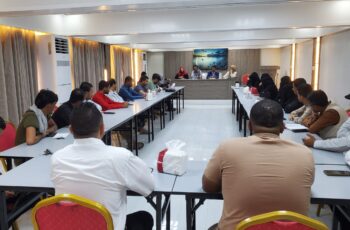
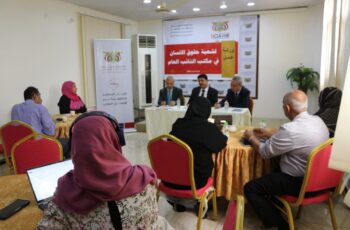
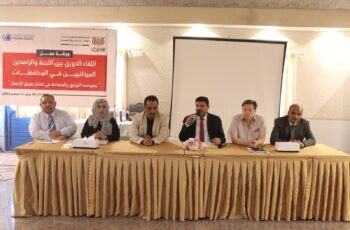
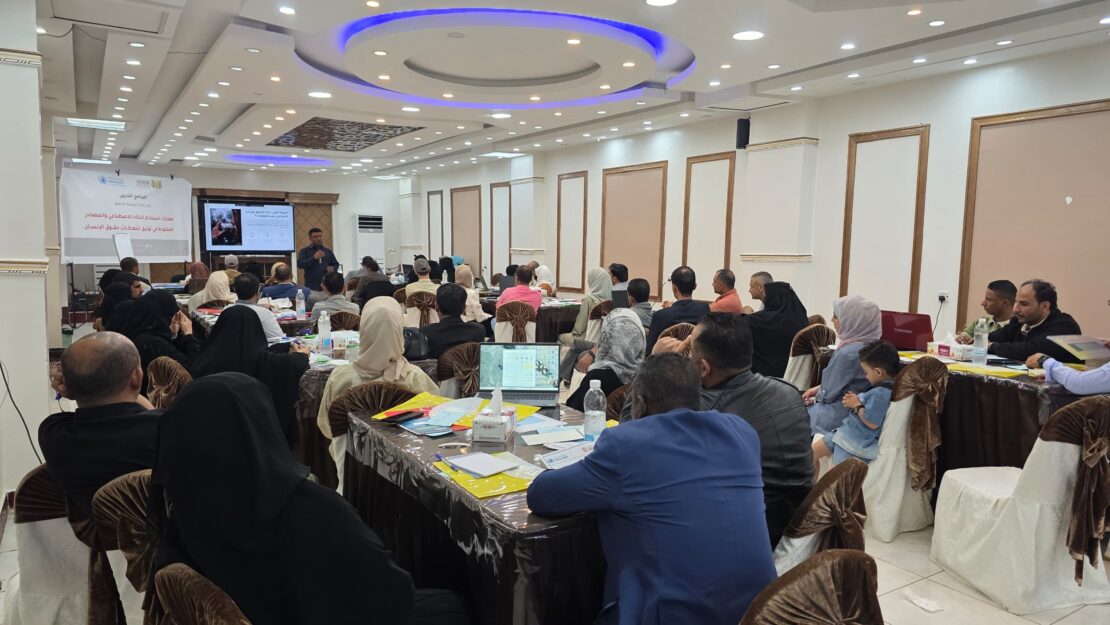
Today in Aden, the National Commission to Investigate Alleged Violations of Human Rights (NCIAVHR) held a specialized training program on the use of artificial intelligence and open-source intelligence in documenting human rights violations.
The five-day program, running from 14 to 18 December 2025, is supported by the Office of the United Nations High Commissioner for Human Rights (OHCHR) and brings together more than 65 male and female participants from the Commission’s various departments.
The program aims to strengthen the professional and technical capacities of the Commission’s staff in the fields of open-source investigations (OSINT), the application of artificial intelligence tools in documenting and analyzing violations, digital security, transitional justice, psychosocial support for human rights workers, and the review and evaluation of fieldwork.
It includes intensive theoretical and practical training sessions on mechanisms for searching, verifying, and validating digital information as evidence, analyzing open-source content, determining time, location, and responsibility, as well as hands-on applications of artificial intelligence tools to support investigations. The program also covers advanced topics in digital security and the protection of sensitive data, addressing risks associated with cyberspace, in addition to specialized discussions on the concepts of transitional justice and its legal and institutional frameworks.
Dedicated sessions are also allocated to mental health and psychosocial support for the Commission’s staff and volunteers, underscoring the importance of promoting the psychological well-being of human rights practitioners. On its final day, the program will address a review of the national context and provide a quantitative, qualitative, and geographical assessment of the Commission’s monitoring and field investigation work over the past year.
The Commission affirmed that organizing this program is part of its ongoing plan to build the capacities of its staff and enhance their professional efficiency, thereby contributing to improved quality of documentation and independent investigation of human rights violations, in line with relevant international standards.