NCIAVHR Completes Inspection and Examination of Facilities Used as Detention Centers along the Hadramout Coast
Mukalla | 25 January 2026
The National Commission to Investigate Alleged Violations of Human Rights (NCIAVHR) has completed its inspection and on-site examination of several facilities and premises along the Hadramout Coast, following reports that they had been used for the deprivation and restriction of liberty and for committing serious human rights violations.
These visits were conducted as part of an intensive fieldwork program covering official and unofficial prisons and detention centers in the governorates of Hadramout, Lahj, Aden, Taiz, Marib, and Shabwa, as well as the districts of Mokha and Hays.
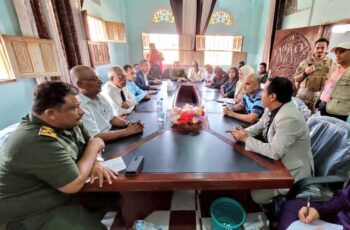
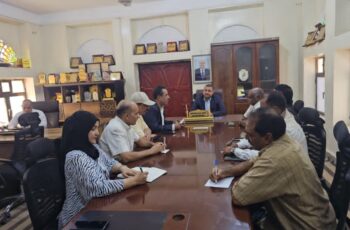
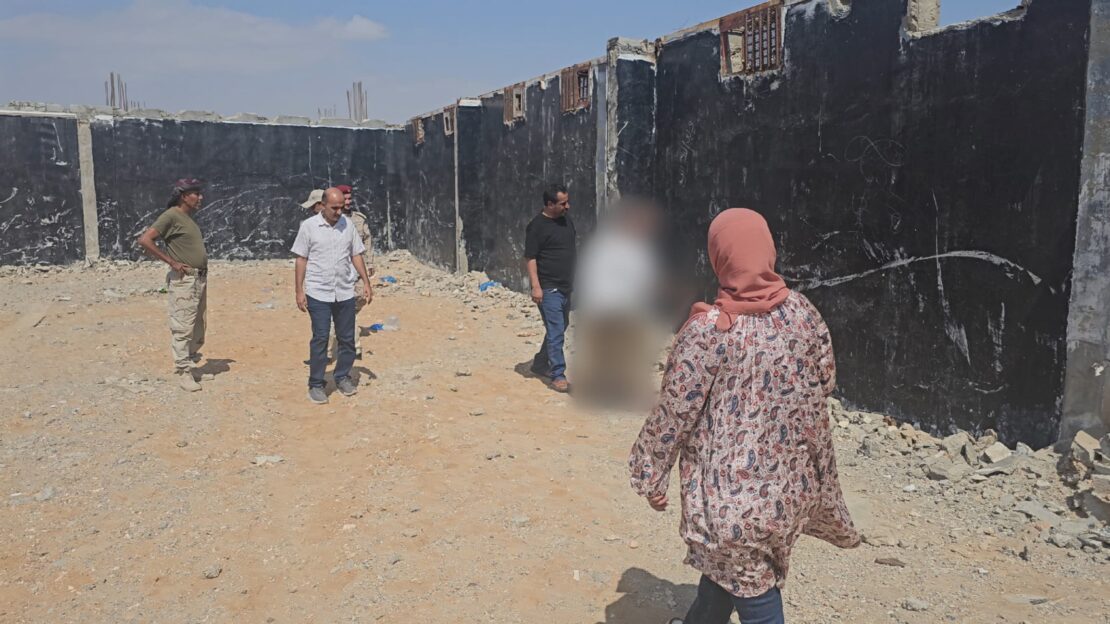
In this context, Commission members—Judges Hussein Al-Mashdali, Mohammed Tulyan, Ishraq Al-Muqtari, and Nasser Al-Awthali—continued today their investigations, which had been ongoing for some time. During this period, the team carried out inspections and examinations of physical sites and newly introduced structures at several locations.
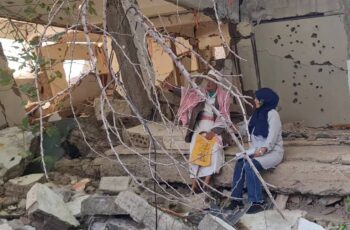
Among the sites inspected were Al-Rayyan Airport and Al-Rabwa Camp in the city of Mukalla, in addition to examining changes made to locations previously used as unlawful detention centers. This included areas suspected of having been used for acts of torture, as well as possible demolition or modification of rooms within the premises of those sites.
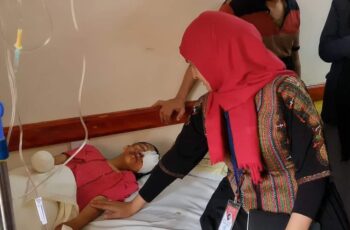
The field activities included recording observations and findings, photographic documentation of areas reported or alleged to have been used as detention centers, and using this material to correlate on-site evidence with victims’ testimonies. This field investigation required interviews with dozens of victims of arbitrary detention and enforced disappearance.
The Commission also documented precise digital data and measurements related to room construction standards and dimensions, and assessed detention conditions. These efforts contribute to building a comprehensive analysis of patterns of arrest and the reported violations, in support of truth-seeking, the pursuit of justice, the strengthening of the rule of law, and the protection of human rights as guaranteed by the Constitution and relevant international conventions.